Condensation on Your Windows: What It Really Means
Why Windows Collect Moisture
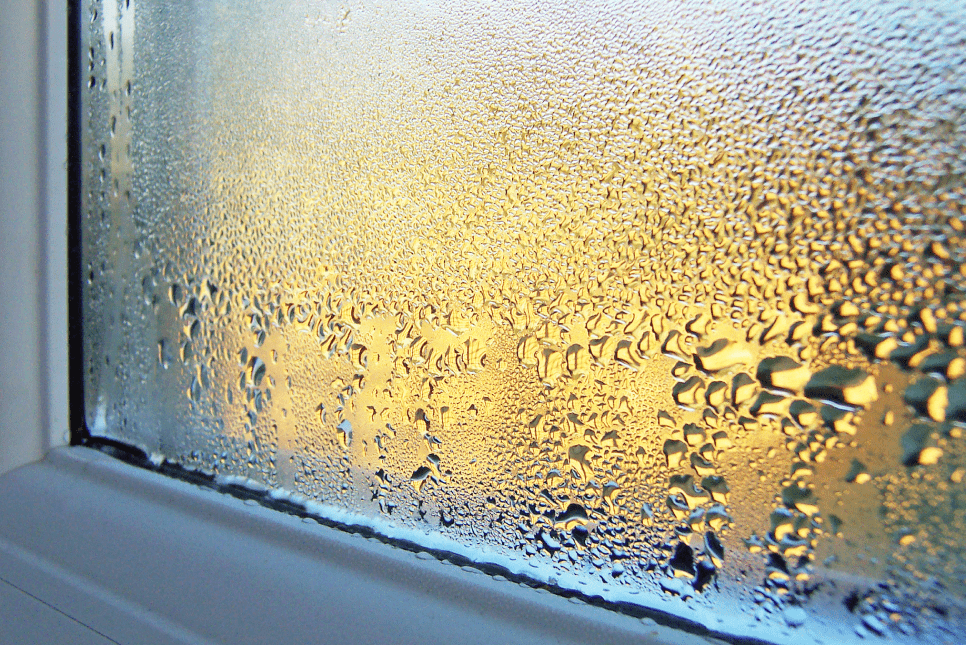
Warm air holds water vapor. When that air touches a colder surface like window glass, the moisture turns into droplets. This is especially common in winter or in homes with limited airflow.
Daily activities such as cooking, showering, laundry, and even breathing add moisture to the air, increasing the chances of condensation forming.
Where the Moisture Appears Matters
- On the inside glass: Usually points to high indoor humidity, not bad quality windows.
- On the outside glass: Often means your windows are insulating well.
- Between glass panes: This can indicate a broken seal and reduced insulation performance.
When Condensation Becomes a Problem
Occasional fogging is normal. Ongoing moisture trapped between panes, water stains, mold, drafts, or rising energy bills may signal it’s time for a professional inspection or replacement.
How to Reduce Condensation
- Use bathroom and kitchen exhaust fans
- Improve air circulation
- Run a dehumidifier if needed
- Maintain steady indoor temperatures
The Takeaway
Condensation alone doesn’t mean your windows need replacing. It’s often an air-quality or humidity issue. However, moisture trapped inside the window unit is a different story and may justify replacement.